
Warmer floors in winter
Insulation between joists reduces heat loss through the floor, so rooms stay warmer without relying as much on heating. This is noticeable in living areas and bedrooms above a cold subfloor.
Lynbrook
Underfloor insulation in Lynbrook stops cold floors and draughts through suspended timber floors. We install glasswool, polyester or rockwool batts between joists from the subfloor to improve thermal comfort and cut heating costs.
Share your details and Expert Insulation Melbourne will contact you about Underfloor Insulation in Lynbrook.
Underfloor insulation is installed between the floor joists of suspended timber floors from the subfloor or crawl space. In Lynbrook homes with stumps and bearers, this blocks cold air rising through gaps in the floorboards and reduces draughts that make rooms feel chilly in winter. We use bulk insulation batts rated around R1. 5 to R2.
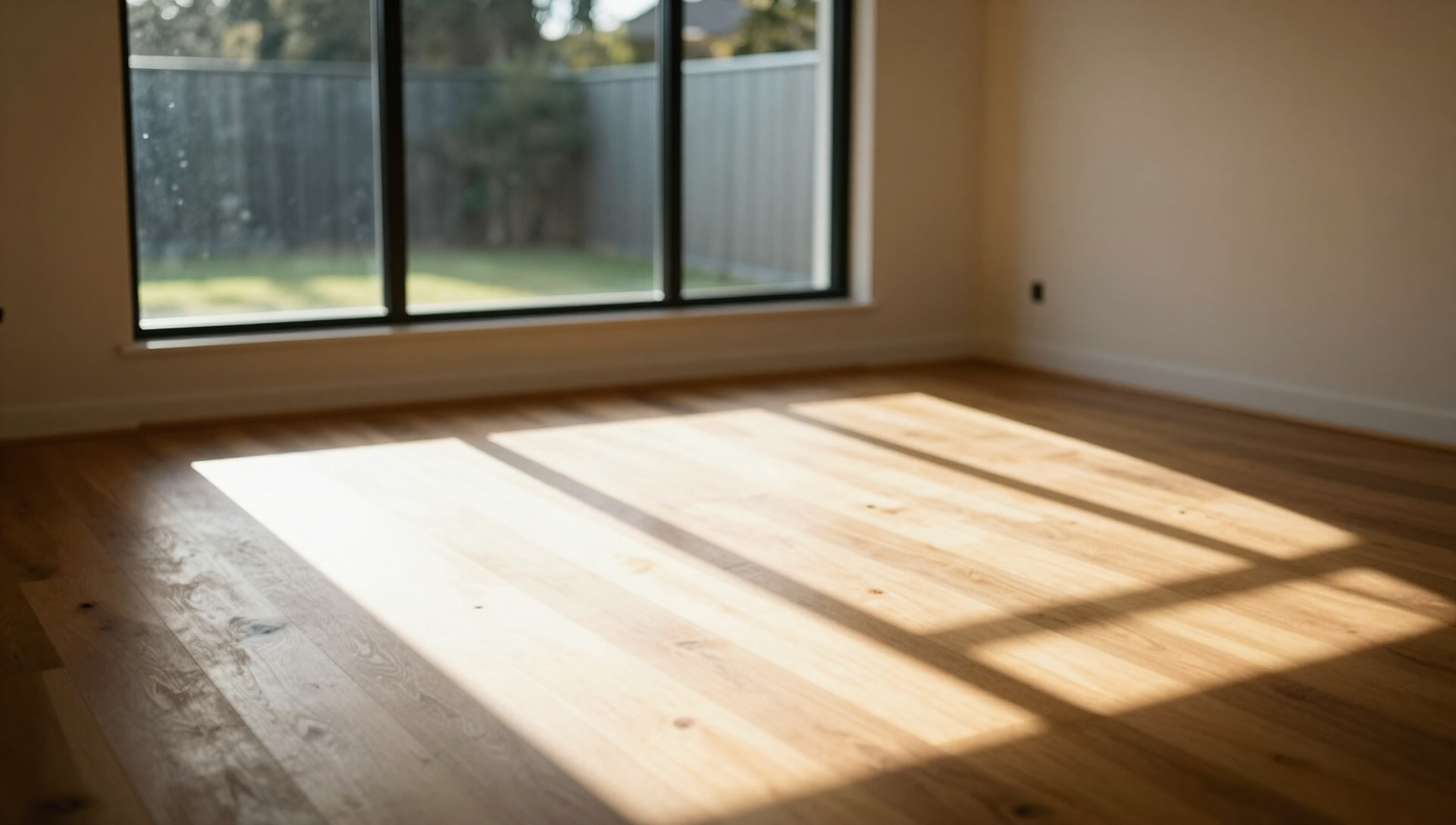
Lynbrook’s cool winters and exposed position mean many homes with suspended timber floors suffer from cold floors and draughts. Underfloor insulation addresses these issues directly by creating a thermal barrier beneath the floor, which is especially effective in older weatherboard and brick veneer homes common in the area.
Insulation between joists reduces heat loss through the floor, so rooms stay warmer without relying as much on heating. This is noticeable in living areas and bedrooms above a cold subfloor.
Gaps between floorboards and around skirting let cold air in. Underfloor batts block these paths, making the home feel less drafty and more comfortable.
With less heat escaping through the floor, your heating system works less to maintain a comfortable temperature. This can lead to noticeable savings on energy bills over winter.
Properly installed underfloor insulation helps manage moisture in the subfloor, reducing the risk of condensation that can lead to mould or timber damage over time.
Bulk insulation batts also absorb sound, reducing noise transfer between floors and from the subfloor, which is useful in multi-level homes.
Quality glasswool, polyester or rockwool batts maintain their R-value and structure for decades if kept dry and undisturbed, providing lasting thermal performance.
Installing underfloor insulation requires access to the subfloor, which is typically through a crawl space or by lifting sections of flooring. The process is straightforward but must be done carefully to ensure full coverage and no gaps.
We check the subfloor for adequate crawl space, moisture issues and any existing insulation. Access points are identified, and we ensure there is enough room to work safely between joists.
The area is cleared of debris, and we check for electrical cables or plumbing that may need to be worked around. If old insulation is present and appears damaged or contaminated, it is removed before new batts are installed.
Bulk insulation batts are cut to fit snugly between the floor joists, with no gaps or compression. We use friction fit to hold them in place, ensuring full contact with the joists and subfloor.
We verify that all areas are covered, with no gaps or exposed edges. The subfloor is left clean, and any access panels or flooring sections are restored to their original condition.
Lynbrook has a mix of newer estates and established homes, many with suspended timber floors that benefit from underfloor insulation. The suburb’s cooler winters and proximity to open areas can make homes feel colder, especially in rooms above an uninsulated subfloor. Insulating beneath the floor is one of the most effective ways to improve comfort in these homes, as it directly addresses the main source of cold air entry.
Stop cold floors and draughts in Lynbrook with underfloor insulation installed between floor joists.
Homeowners in Lynbrook often have questions about how underfloor insulation works, what it costs and whether it is suitable for their home. Here are answers to the most common queries.
Underfloor insulation in Lynbrook is a practical solution for homes with suspended timber floors, which are common in the suburb’s older weatherboard and brick veneer properties. These homes often suffer from cold floors and draughts in winter, as cold air rises through gaps in the floorboards and around the edges of the room. Installing bulk insulation batts between the floor joists from the subfloor creates a thermal barrier that reduces heat loss and improves comfort.
The typical R-value for underfloor insulation in Lynbrook ranges from R1.5 to R2.5, depending on the product and the depth of the joists. Glasswool, polyester and rockwool batts are all effective options, provided they are installed without gaps or compression. The process requires access to the subfloor, which is usually possible through a crawl space or by lifting sections of flooring. Homes with limited access or very low subfloors may need alternative solutions.
Signs that a Lynbrook home needs underfloor insulation include cold floors in winter, noticeable draughts at floor level and higher than expected heating costs. Insulation is particularly beneficial in rooms above garages or unheated spaces, where the floor can feel significantly colder. For homes with existing insulation, we can assess whether it is still performing effectively or if it needs topping up or replacement.
Improve comfort and reduce heating costs in your Lynbrook home with underfloor insulation. We provide obligation-free quotes and professional installation for suspended timber floors.